
There’s a moment many of us recognize now: you reach for your phone without thinking, unlock it, and immediately forget why you picked it up. It’s muscle memory at this point, a reflex shaped by years of pings, previews, and the quiet pressure to stay up-to-date. Our days are threaded with notifications, and even when the screen goes dark, the mental noise doesn’t always follow.
It’s no wonder so many people are craving something different. Something quieter. Something that reminds them what it feels like to be fully present in their own life.
That desire is fueling a new kind of wellness movement: tech-free escapes. These retreats, ranging from minimalist cabins in the woods to structured digital detox programs, are offering an antidote to the constant demand for attention. They’re not about rejecting technology, they’re about creating a reset. A gentle pause that helps you hear yourself think again.

And the shift isn’t just cultural. It’s deeply personal. People are noticing how much their energy changes when they step away from the scroll. They sleep better. They focus more easily. They remember that rest isn’t supposed to feel like another item on the to-do-list.
Tech-Free Escapes by “Detox Style”: Which Reset Fits Your Brain Best?
The Psychology Behind the Need to Unplug
The Overstimulation Problem
Most of us underestimate how much information we absorb in a single day. Messages, alerts, updates, and endless tabs all compete for attention, pulling the brain in multiple directions at once. This constant stimulation doesn’t just feel tiring, it’s genuinely overwhelming for the nervous system. Our brains were designed to toggle between periods of focus and periods of rest, not to stay “on” from morning until we fall asleep. When the input never stops, neither does the internal strain.
Why the Brain Needs Downtime
Cognitive downtime - those unfocused, spacious moments when your mind wanders - is where creativity, memory consolidation, and emotional processing happen. It’s also the space where you reconnect with your own internal voice. But digital habits often crowd out that natural rhythm. Even quick check-ins throughout the day interrupt the brain’s ability to settle. Over time, the lack of mental rest shows up as irritability, poor concentration, and that buzzing sense of being mentally “full” but not actually fulfilled.

Stress, Sleep & the Cycle of Digital Exhaustion
There’s also the biological toll. Screen time, especially late at night, disrupts circadian rhythms and suppresses melatonin, making it harder to fall into deep, restorative sleep. Notifications trigger micro-bursts of stress hormones. Multitasking keeps the brain in a low-level state of vigilance. Alone, each of these might sound manageable. But together, they create a cycle: less rest leads to more stress, more stress leads to more scrolling for distraction or escape.
Unplugging, even for short periods, helps break that cycle. Digital detox retreats simply magnify the effect by giving the brain space to slow down, recalibrate, and rediscover what calm actually feels like. It’s not escapism. It’s maintenance.
When Constant Connection Starts to Affect Wellbeing
Signs You’re Reaching Digital Saturation
Most people don’t realize they’re overwhelmed until the effects start to stack up. Maybe your focus slips faster than it used to. Maybe you feel oddly restless when you’re not holding your phone. Or maybe you’ve noticed that simple tasks take more energy because your attention is stretched thin. These small signals (mental fog, shorter patience, an almost automatic urge to check for updates) are often early signs of digital saturation. They tell us the brain is struggling to keep pace with the constant input.
The Emotional Toll of Always Being “On”
Constant connection creates a subtle emotional strain. When messages, emails, and social platforms are always within reach, it becomes harder to step back. You’re accessible at all times, which can shift you into caretaker mode: responding, reacting, staying “caught up.” Over time, that sense of obligation chips away at emotional ease. Many people describe feeling drained, overstimulated, or oddly disconnected from themselves, almost as if they’re living a half-step outside their own day.
How Tech Shapes Mood, Focus, and Motivation
Technology isn’t the enemy, but the way we use it can shape our internal landscape. Rapid content consumption fragments focus. Curated feeds can amplify comparison and self-doubt. Constant news updates can heighten anxiety. Even the simple habit of reaching for a device during quiet moments can dull natural motivation, replacing reflection with instant stimulation.
When these patterns compound, wellbeing shifts in quiet but meaningful ways. People feel less grounded, less inspired, and more mentally scattered. That’s why intentional disconnection has become so appealing. It’s not about giving up technology, it’s about giving the mind breathing room.
What People Are Looking For in a Digital Detox Retreat
Stillness and Slowness
At the heart of every tech-free escape is a longing for a change of pace. Many people choose these retreats because they want permission to slow down without feeling unproductive. They want mornings that don’t start with notifications, afternoons without multitasking, and evenings that unfold naturally instead of being scheduled around a screen. Stillness becomes a kind of luxury, and the retreat environment offers structure that supports it: phone-free zones, gentle routines, and spaces designed for quiet.
Nature as a Reset Button
Retreats often lean into nature for a reason. Research consistently shows that time outdoors lowers stress, steadies mood, and helps regulate the nervous system. But beyond the science, nature creates a kind of mindfulness that doesn’t require effort. When you’re walking through a forest, sitting by water, or watching light shift across a mountain ridge, your attention softens. Distractions fall away. You’re pulled into the present simply by being there. That natural reset is one of the biggest draws for people seeking a break from digital life.
Structured Disconnection (That Doesn’t Feel Forced)
Complete silence or rigid rules aren’t what most people want. Instead, they’re looking for a guided experience that feels supportive rather than restrictive. Activities like breathwork, journaling, light hikes, meditation, or creative workshops help fill the space left by technology in a way that feels grounding. There’s comfort in having a rhythm to the day, something to hold onto while the mind adjusts to being offline.
Overall, people choose digital detox retreats because they want an environment that encourages ease. A place where stillness feels natural, nature feels restorative, and disconnecting feels like coming home to yourself.
How Disconnecting Helps Us Reclaim Presence
Rebuilding Attention
One of the first changes people notice when they unplug is how their attention begins to settle. Without the constant pull of alerts or the urge to check in, the mind naturally shifts from fragmented focus to something steadier. Tasks feel less rushed. Conversations feel richer. Even simple activities like making coffee, stretching or walking, start to unfold with fewer interruptions. This rebuilding of attention isn’t about working harder; it’s about giving the brain space to operate at its natural rhythm again.

Rediscovering Sensory Detail
Screens compress the world into a tight little rectangle. When you step away, your awareness expands. People on digital detox retreats often talk about noticing small things they’ve overlooked for years: the texture of morning light, the sound of water hitting rocks, the way breath feels when it slows down. These details aren’t unusual, they were always there, but disconnection makes them accessible again. Presence becomes less of a concept and more of a lived, moment-to-moment feeling.
Making Room for Creativity and Reflection
When your mind isn’t juggling constant input, it naturally gravitates toward deeper thinking. Ideas surface more easily. Creative impulses feel less forced. Reflection becomes something you slip into rather than schedule. This mental spaciousness is one of the most meaningful outcomes of unplugging. It’s not about being productive - it’s about giving yourself permission to think beyond the scroll and reconnect with your inner landscape.
In a world that rewards speed and constant activity, presence can feel like a forgotten skill. Disconnecting helps you practice it again, reminding you that attention is something you get to direct, not something technology should constantly claim.
The Mental Health Benefits You Actually Feel
Less Stress, More Ease
When you remove the pressure to respond, react, or stay updated, the nervous system finally gets a chance to slow down. One of the most immediate effects of unplugging is a noticeable drop in stress levels. People often describe feeling lighter, calmer, or simply more at ease, almost as if a background vibration has finally quieted. That steady hum of urgency we carry around from constant connection starts to dissolve, leaving more space for genuine rest.
Improved Sleep Quality
Quality sleep is often one of the first things to return during a tech-free retreat. Without late-night scrolling or the blue-light stimulation that delays melatonin, your body falls into a more natural rhythm. Even a few evenings without screens can make nights feel deeper and mornings feel clearer. Many people report waking up feeling refreshed in a way they haven’t felt in months. It’s not magic, it’s what happens when the brain isn’t being kept on high alert right before bed.
Emotional Regulation and Inner Calm
Disconnecting also creates emotional breathing room. With fewer inputs triggering comparison, stress, or overstimulation, mood tends to steady. People describe feeling more grounded and less reactive. Little things that once felt overwhelming suddenly feel manageable again. There’s also a growing sense of self-connection, the ability to tune into how you’re really feeling without the interference of constant noise.
These shifts don’t require a month-long retreat. Even short periods of intentional disconnection can lead to noticeable improvements in mood, clarity, and emotional resilience. The benefits simply become more pronounced in a retreat setting, where the entire environment is built to support mental ease.
The Rise of “Rest as a Lifestyle”
Why Traditional Vacations Aren’t Cutting It
Many people return from holidays feeling surprisingly unrefreshed. Travel often comes with its own set of pressures: planning, logistics, constant photos, and the pull to stay connected even while away. Instead of true restoration, vacations can turn into beautifully packaged versions of daily life, still busy, still online, still overstimulated. This gap between expectation and reality is one of the biggest reasons people are looking for more intentional ways to rest.
The Shift Toward Intentional Leisure
There’s a growing cultural awareness that rest isn’t something you squeeze in between responsibilities, it’s something you build your life around. People are embracing slower mornings, tech-free evenings, and rituals that protect their energy. Digital detox retreats fit naturally into this mindset. They offer a structured way to practice a different relationship with time, one where recovery isn’t an afterthought but a key part of wellbeing. The idea isn’t to escape your life; it’s to return to it with more clarity and capacity.
Unplugging as a Modern Wellness Priority
Wellness has evolved beyond green juices and gym memberships. It now includes emotional boundaries, mental spaciousness, and the freedom to step out of constant connectivity. Unplugging has become a marker of balance, a way to show yourself you’re allowed to pause without guilt. It reflects a broader movement toward living with more intention and less overwhelm.
This shift toward “rest as lifestyle” isn’t about doing less. It’s about living in a way that leaves you with more: more presence, more energy, more connection to the moments that matter.
What Tech-Free Retreats Actually Look Like
Forest Lodges and Nature Immersion
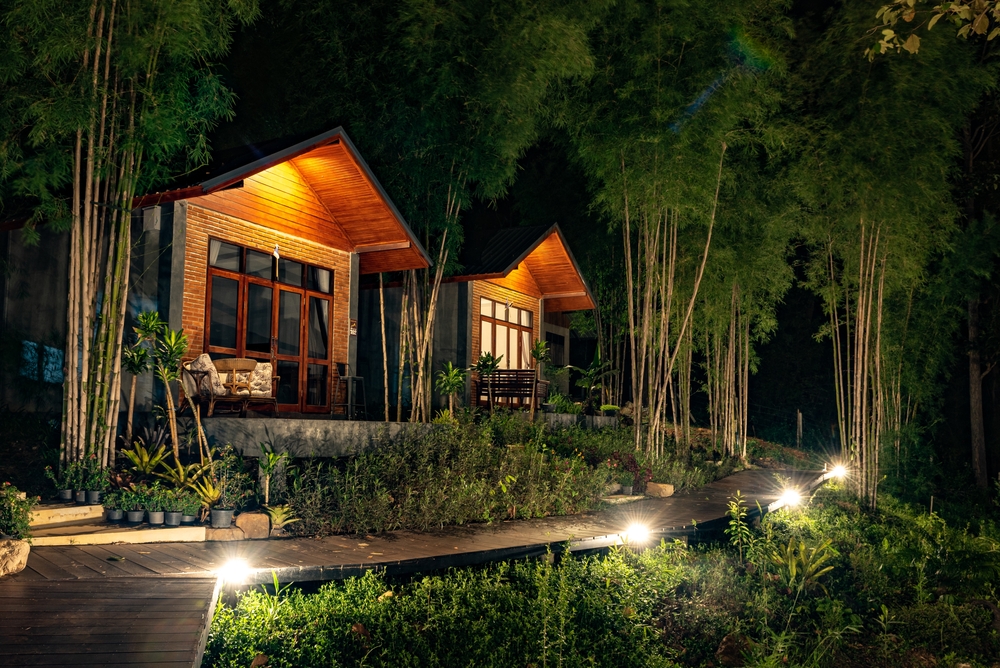
Some retreats are designed to feel like you’ve stepped out of modern life entirely. Picture quiet wooden cabins tucked into the trees, long walking paths, and open-air spaces where the only notifications come from birds or wind shifting through leaves. These nature-immersive retreats focus on slowing the body and mind through environment alone. Guests often spend their days hiking gentle trails, journaling outdoors, or simply noticing the rhythmic pace of nature, a kind of reset that doesn’t need explanation.
Mindfulness-Driven Escapes
Other retreats weave in structured practices that help guide the process of stepping offline. These often include meditation, breathwork, yoga, and reflection sessions led by trained facilitators. The goal isn’t perfection or long hours of practice - it’s to create supportive, grounding rituals that help the mind settle once the digital noise fades. People who choose these retreats typically want a blend of calm, intention, and gentle personal growth.
Adventure-Light Retreats Focused on Presence
For those who struggle to sit still, some retreats build in light activity: slow paddling on a lake, short guided climbs, or creative workshops. These experiences help channel attention into something hands-on and sensory, making it easier to stay present without feeling restless. There’s no pressure to perform. The emphasis is on enjoyment, not achievement.
Across all formats, tech-free retreats share a common thread: they make space for what modern life often squeezes out. By removing screens, they open up room for rest, insight, connection, and a clearer sense of self, all held within environments intentionally designed to be kinder to the nervous system.
Choosing the Right Tech-Free Escape for You
Know Your Intentions
Before you book anything, take a moment to understand what you’re hoping to gain. Are you craving silence? Looking for structured mindfulness? Wanting a nature reset? Or simply feeling the need to step away from constant responsibility? Clarity helps you choose a retreat that aligns with the kind of rest you actually need, not just the one that looks appealing online.
Match the Retreat to Your Personality
Different people unwind in different ways. If you recharge in solitude, a quiet cabin retreat or nature-immersion stay may feel restorative. If you thrive with community and gentle guidance, look for retreats that offer workshops or group activities. For the active-minded, choose somewhere that blends low-intensity adventure with intentional downtime. There’s no “best” format, only the one that supports your energy.

Signs a Retreat Is Credible and Supportive
A good retreat will be transparent about its structure, facilitators, accommodations, and expectations. Look for clear schedules, experienced leaders, and policies that support psychological safety, such as tech-free guidelines that feel firm but reasonable. Reviews can also reveal whether guests felt cared for or overwhelmed. Ultimately, a retreat should help you disconnect without discomfort, a place where you feel held, not pressured.
Choosing the right tech-free escape is less about escaping your life and more about returning to it with renewed clarity and calm. When you pick a retreat with intention, you set yourself up for a genuinely restorative experience.
The Quiet That Reminds You Who You Are
Stepping away from your screens isn’t about rejecting technology or trying to live a slower life permanently. It’s about remembering that you’re allowed to pause, that the world won’t fall apart if you stop refreshing for a little while. In a culture that rewards constant availability, choosing to unplug becomes its own kind of self-care. It signals that your attention, your energy, and your peace of mind matter.
Tech-free retreats are simply one expression of that choice. They create spaciousness where you can hear yourself think again, reconnect with the present moment, and rediscover what rest feels like when it isn’t squeezed into the edges of your day. But you don’t have to wait for a retreat to begin. Even small moments of intentional disconnection can help you reset and return to your life with more clarity, steadiness, and ease.
Ultimately, unplugging isn’t about doing less, it’s about living with more awareness. More presence. More space to feel human again.