
Skincare has spent the last decade in its maximalist era. Ten-step routines, overflowing bathroom shelves, and ingredient deep-dives became the norm. But somewhere between the acids, the serums, the moisturizers, and the endless layering, people started feeling something dermatologists had been quietly warning about for years: more doesn’t always mean better.
That shift away from excess and toward clarity, is what set the stage for skin cycling. It’s the movement redefining skincare simplicity, not by stripping routines down to nothing, but by guiding them with purpose. Skin cycling landed at the perfect moment: when consumers were overwhelmed, experts were urging restraint, and the industry was preparing to rethink how we talk about skin barrier health. Suddenly, a routine built around fewer steps and smarter sequencing felt like a breath of fresh air.
At its core, skin cycling is a structured, four-night rhythm that alternates potent ingredients with recovery. It’s simple enough for beginners, yet grounded enough in dermatology to earn credibility. More importantly, it answers a problem many people didn’t know they had - using powerful products without a plan. Instead of chasing results through constant exfoliation or nightly retinoids, skin cycling teaches people to work with their skin, giving it time to respond, repair, and rebalance.

And that’s why the trend is resonating so widely. It blends science with common sense, offering a routine that supports results without the overwhelm. For readers who want healthier skin but feel lost in the noise of “must-have” products, skin cycling offers something modern skincare rarely does: permission to simplify.
What Skin Cycling Actually Is
Skin cycling began as a dermatologist-led framework designed to help people use active ingredients more effectively, and with far less irritation. Instead of applying exfoliants and retinoids whenever you remember (or every night because you feel like you “should”), skin cycling gives your routine a clear rhythm. The goal is to balance results with recovery, letting your skin benefit from potent treatments without overwhelming the barrier that protects it.
A Routine Built Around Recovery
The defining feature of skin cycling is intentional rest. Many routines focus on what you add - AHAs, BHAs, retinoids, antioxidants. Skin cycling adds something just as important, repair time. This built-in recovery helps prevent dryness, inflammation, and the redness that often pushes people to quit retinoids too soon.

The Four-Night Framework
The classic cycle moves in a simple, repeatable pattern.
- Night 1, exfoliation. A gentle chemical exfoliant removes dead skin cells so the retinoid used the next night can penetrate more effectively.
- Night 2, retinoid. This is where collagen support, texture refinement, and long-term skin health work begins.
- Nights 3 & 4, recovery. These nights focus entirely on moisture and barrier repair, think hydrating serums, rich moisturizers, and zero harsh actives.
Once you finish Night 4, you start again.
Why Dermatologists Support It
Skin cycling is popular among dermatologists because it lowers the risk of overuse while improving consistency. Instead of guessing how often to use your actives, you follow a predictable template that’s easy to stick to. The method also encourages people to pay attention to barrier health - something experts agree is foundational to glow, clarity, and long-term resilience.
Skin cycling isn’t about doing less for the sake of minimalism. It’s about doing what works, in an order your skin can actually keep up with.
Why Skin Cycling Works
Skin cycling has taken off not just because it’s simple, but because it’s built on science that solves real-world skincare problems. Over the last few years, dermatologists have seen more people dealing with redness, stinging, flaking, and breakouts - not from doing too little, but from doing too much. When routines become a revolving door of active ingredients, the skin barrier struggles to keep up.
The Overuse Problem in Modern Skincare
Powerful ingredients like glycolic acid, salicylic acid, and retinoids each have important roles, but they also demand respect. When used without structure, they can stack irritation faster than the skin can repair itself. This is the root of “over-exfoliation,” a surprisingly common issue that makes skin look dull, sensitive, or inflamed - the exact opposite of what people hoped their products would achieve.
Skin cycling helps break this pattern by spacing actives in a predictable way. It reduces the risk of doubling up, like applying exfoliants on nights you meant to rest or layering retinoids on damaged skin that isn’t ready.
Barrier Health as the Real Goal
Healthy skin isn’t just about what you put on it; it’s about how well your skin barrier functions. This thin, protective layer manages hydration, shields against irritants, and keeps inflammation in check. When the barrier is compromised, even gentle products can sting. Recovery nights in skin cycling prioritize ingredients like ceramides, hyaluronic acid, and soothing emollients to keep this foundation strong.
Working With Your Skin’s Natural Rhythm
Skin doesn’t operate at the same intensity every day. It benefits from stimulation, but it also needs pause. Alternating high-impact nights with recovery gives time for cellular turnover and collagen stimulation without overwhelming the system. The result: smoother texture, fewer flare-ups, and a more sustainable routine that works long-term.
The Psychology Behind the Trend
Part of the magic of skin cycling lies in what it does for your mind as much as your skin. Skincare isn’t just a routine anymore; it’s a daily ritual shaped by emotion, habit, and the desire for control in a world full of noise. Skin cycling taps directly into that psychology, offering something people crave: simplicity with purpose.
Decision Fatigue Is Real
Modern skincare media like blogs, influencers, endless product launches, ask us to make dozens of tiny decisions. Which active? How often? Layer before or after moisturizer? That mental load adds up. Skin cycling removes the guesswork with a routine that tells you exactly what to do each night. No more standing at the bathroom mirror trying to calculate when you last used an exfoliant. The clarity alone makes it easier to stay consistent.
Predictable Routines Build Consistency
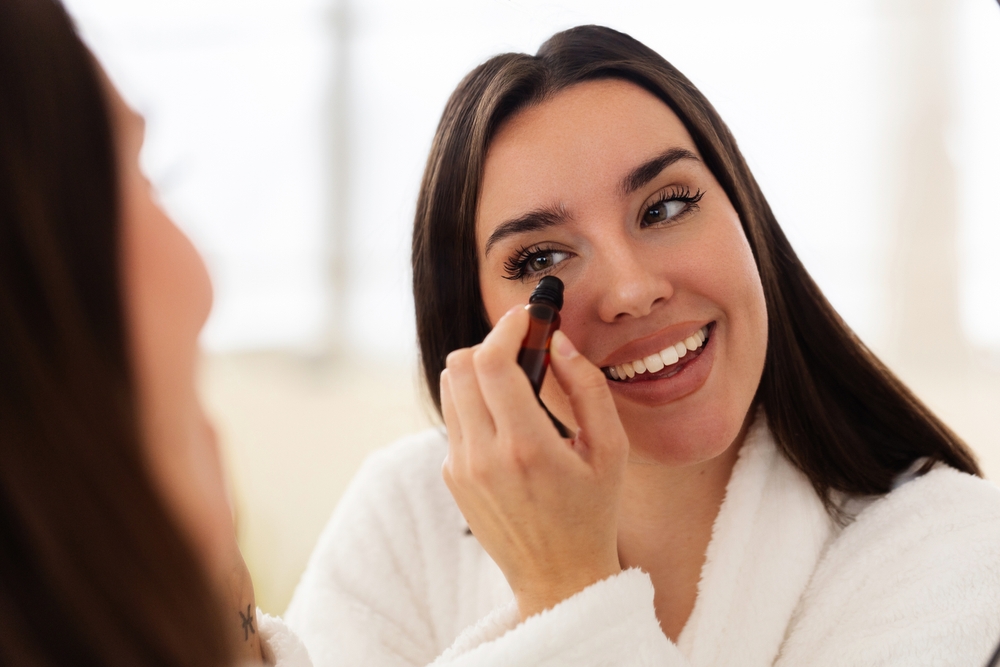
Humans follow patterns. When a ritual is predictable, it becomes easier to commit, and easier to notice when something feels off. Skin cycling’s four-night rhythm turns skincare into a habit loop: exfoliate, retinoid, recover, recover. This structure encourages long-term adherence, which is essential for seeing results from slow-and-steady ingredients like retinoids.
Minimalism Meets Evidence-Based Care
Another reason the trend resonates is the cultural moment we’re in. People want routines that feel both streamlined and justified. Skin cycling meets that sweet spot by trimming away unnecessary steps while keeping the science front and center. It’s minimalist, but not vague; simplified, but not simplistic. The method gives users confidence that their routine is grounded in dermatology rather than hype.
In a beauty world full of overwhelm, skin cycling offers calm structure. And for many, that’s the real appeal - a routine that feels as mentally grounding as it is physically effective.
How to Start Skin Cycling
If you’re new to actives, or you’re trying to rebuild your routine after irritation, skin cycling offers a clear, beginner-friendly path. The key is to set up your products, understand the flow, and avoid the urge to overcomplicate it. Once you get the rhythm down, the routine becomes surprisingly intuitive.
Prep Your Routine
Before starting, take stock of what you’re using. On exfoliation and retinoid nights, you’ll want to keep things simple and supportive. On recovery nights, you’ll lean into hydration. You don’t need a drawer of new products - just three essentials: a gentle cleanser, a chemical exfoliant, and a retinoid. Everything else revolves around soothing and moisture.
Choosing the Right Exfoliant and Retinoid
On Night 1, opt for a chemical exfoliant rather than a scrub. AHAs (like glycolic or lactic acid) and BHAs (like salicylic acid) work by loosening dead skin without creating micro-tears. If you’re new to exfoliants or have sensitive skin, start with lactic acid or polyhydroxy acids (PHAs), which are milder.
On Night 2, your retinoid takes center stage. You can use an over-the-counter retinol, a retinaldehyde serum, or a prescription retinoid if your dermatologist has recommended one. Apply a pea-sized amount, more doesn’t mean faster results. If you’re prone to irritation, buffer it by applying moisturizer first.
The Recovery Nights That Make It Work
Nights 3 and 4 are where skin cycling earns its reputation. These are your repair-focused evenings. Use hydrating serums, barrier-repair creams, and ingredients like hyaluronic acid, ceramides, glycerin, or squalane. Avoid exfoliating acids, retinoids, and vitamin C. The whole goal is to support the barrier so it’s ready for the cycle to start again.
How Long to Try It Before Assessing Results
Skin cycling isn’t an overnight transformation. Most people notice improvements in texture and hydration within 2–4 weeks. If you’re brand new to retinoids, give yourself at least two full cycles to adjust. If irritation shows up, add an extra recovery night or switch to gentler formulations.
Approach the routine like a conversation with your skin: you apply, observe, adjust. That’s where the simplicity truly becomes powerful.
Tailoring Skin Cycling to Different Skin Types
One of the biggest strengths of skin cycling is how adaptable it is. The four-night structure stays the same, but the products, and sometimes the pacing, shift depending on your skin’s needs. Think of it as a framework you customize, not a rulebook you follow rigidly.
Sensitive or Reactive Skin
If your skin stings easily, gets red quickly, or reacts to new products, keep everything gentle at first.
- Choose a mild exfoliant like lactic acid, mandelic acid, or PHAs for Night 1.
- On Night 2, try a low-strength retinol or even alternate using moisturizer before and after to cushion absorption.
- You may also benefit from adding a third recovery night before restarting the cycle.
Hydration-heavy recovery nights are essential here, think ceramides, peptides, and fragrance-free creams that focus on calm and repair.
Acne-Prone Skin
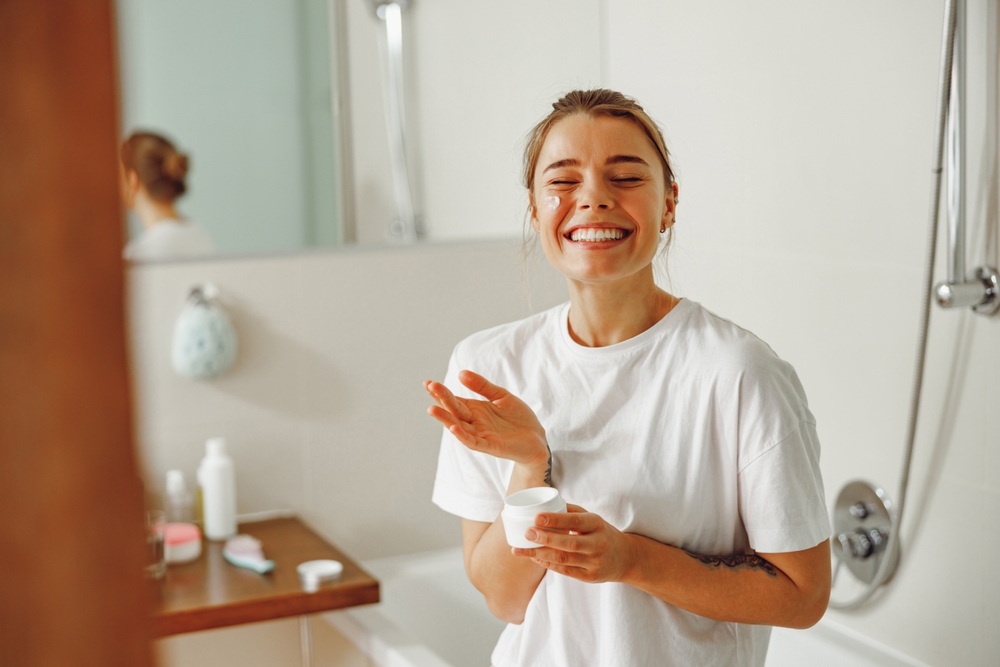
Skin cycling can help streamline acne-focused routines, especially if you tend to over-exfoliate.
- A BHA like salicylic acid works well on exfoliation night to clear pores.
- Retinoids are already a cornerstone of acne treatment, so Night 2 remains valuable for regulating cell turnover.
- Keep recovery nights lightweight but hydrating—gel creams, niacinamide serums, and oil-free moisturizers support healing without clogging pores.
If you’re using prescription acne medication, it’s worth speaking with a dermatologist about how to blend that into the structure.
Dry or Dehydrated Skin
Dry skin often struggles with harsh actives, but cycling helps limit irritation.
- Stick with a gentle AHA or even skip exfoliation every other cycle.
- Use a richer moisturizer on retinoid night to help keep skin comfortable.
- On recovery nights, layer hydrating ingredients—hyaluronic acid first, then a creamy ceramide moisturizer, and finish with an occlusive if needed.
Oily or Resilient Skin
Oily or less reactive skin types often tolerate stronger actives.
- Glycolic or salicylic acid may be appropriate for exfoliation night.
- A retinaldehyde or higher-strength retinol can work well for retinoid night.
- Recovery nights can be lighter, but don’t skip them. Supporting the barrier keeps oil production more balanced long-term.
Skin cycling becomes most effective when it feels like it’s working with your skin rather than against it.
Common Mistakes & How to Avoid Them
Even with a simple framework, a few missteps can make skin cycling less effective, or more irritating than it needs to be. The good news is that most mistakes are easy to avoid once you know what to look for.
Using Too Many Extras
Skin cycling works because it simplifies your routine. Adding vitamin C on exfoliation night, or layering acids on recovery nights “just to boost results,” can undo the whole point. Stick to the structure: exfoliant on Night 1, retinoid on Night 2, recovery on Nights 3 and 4. Save any additional actives for mornings or non-active cycles once your skin is stable.
Skipping Moisture Support
Hydration isn’t optional during skin cycling - it’s the backbone that keeps the barrier strong. If you’re peeling, stinging, or feeling tightness, your skin is telling you it needs more moisture. Use a hydrating serum under your moisturizer on active nights, and be generous with nourishing products on recovery nights.
Expecting Overnight Change
Retinoids and exfoliants do incredible things, but they still work on the skin’s natural regeneration timeline. Most noticeable improvements (smoother texture, fewer breakouts, more balanced tone) happen after several cycles. Rushing to increase strength or frequency rarely leads to faster progress; it usually leads to irritation.
Not Adjusting the Cycle When Needed
Skin cycling is meant to be flexible. If you’re dealing with dryness, sensitivity, or seasonal changes, add an extra recovery night or switch to a gentler exfoliant. Conversely, if your skin is thriving, you can slowly upgrade your actives.

Think of the routine as a guide, not a fixed rule. The more you adapt it to your skin’s feedback, the better your results will be.
What Experts Really Think
Dermatologists were some of the first to spotlight skin cycling, and much of its popularity comes from how closely it aligns with evidence-backed skincare principles. But like any trend, experts have both praise and nuance to offer.
Where Experts Agree
Most dermatologists appreciate that skin cycling teaches people to use active ingredients more intentionally. The method helps reduce the two biggest issues they see in patients using at-home routines: over-exfoliation and inconsistent retinoid use. By spacing out actives, it lowers irritation risk while making powerful ingredients more tolerable, especially for beginners. Many clinicians also like that it reframes skincare around barrier health, a foundation they’ve been emphasizing for years.
Where Opinions Differ
Not all skin experts believe everyone needs a four-night system. Some argue that experienced users or those with specific conditions (such as acne or melasma) may benefit from more customized schedules. Others point out that while the framework is helpful, it’s not a magic solution; product quality, formulation, and individual skin biology still matter. In other words, the cycle is a strong starting point - not a universal prescription.
The Importance of Personalization
Most dermatologists land somewhere in the middle: skin cycling is a useful guide for many people, but your skin’s response should shape the routine. Adjusting exfoliant strength, retinoid type, or recovery duration is not only allowed, it’s encouraged. The real goal is to build a skincare rhythm that supports long-term health, not just follow a trend.
The Confidence Found in a Calmer Approach
Skin cycling has resonated because it offers something rare in modern skincare: a method that feels both accessible and genuinely effective. By giving active ingredients space to work, and giving your skin time to recover, it supports better results with fewer products and far less confusion. It’s a reminder that good skincare doesn’t have to be complicated to be powerful.
Whether you’re new to exfoliants, overwhelmed by your current routine, or simply craving more structure, skin cycling provides a clear, grounded path forward. It blends science, simplicity, and a sense of ease that so many people have been missing in their nightly rituals.
In the end, this trend isn’t about doing less; it’s about doing what works. And sometimes, the most meaningful change in your skin comes from stepping back, slowing down, and letting consistency take the lead.