
Travel doesn’t have to be extravagant to be meaningful. In fact, some of the most memorable trips are the ones where you feel fully present—not stressed about your budget or rushing from one high-priced activity to the next. And while cutting costs can sound like it requires big sacrifices, the truth is that small, mindful habits often make the biggest difference.
Check out ten simple, practical habits that help stretch your travel budget further—without compromising on joy, comfort, or experience.
1. Book Flights on Flexible Days
Instead of locking into fixed travel dates, give yourself a few days of wiggle room. Flying midweek—or even shifting your departure by 24 hours—can often shave a surprising amount off your ticket price. Many US travelers overlook this trick, but it’s one of the easiest ways to save without changing your destination.
2. Pack Smarter to Avoid Extra Fees
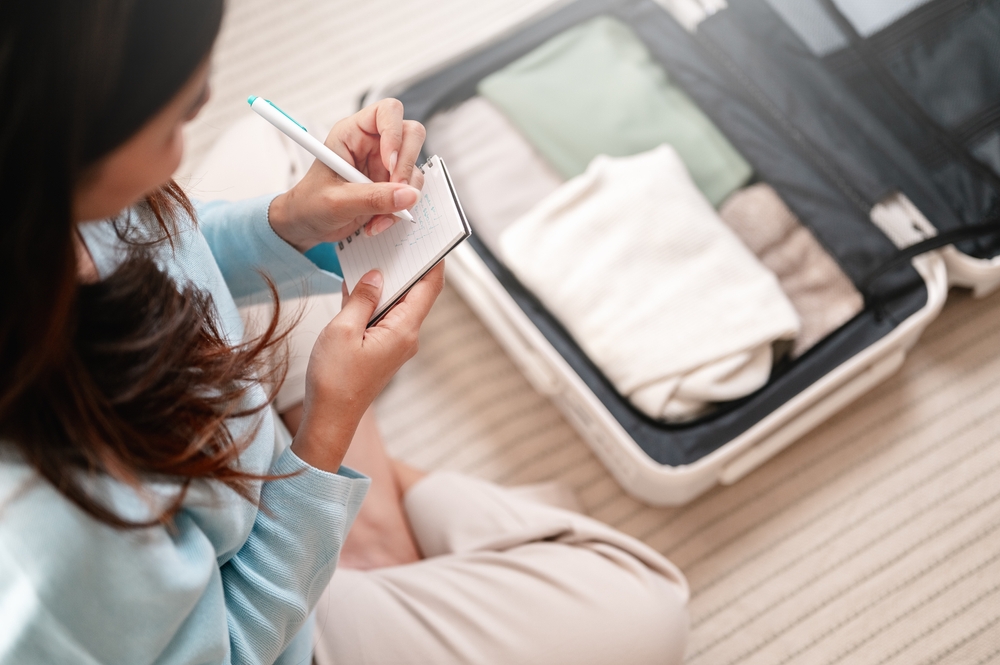
Baggage costs add up quickly. By packing lighter and choosing versatile clothing, you can skip checked bag fees entirely. A well-organized carry-on, compression cubes, and a compact personal item can save you both money and time at the airport.
3. Choose Lodging With Built-In Amenities
Small conveniences—like free breakfast, kitchen access, or in-room coffee—make an immediate difference in daily spending. Even if the nightly price is slightly higher, these savings often outweigh the difference. Look for accommodations that help reduce what you spend on meals and transportation.
4. Walk Whenever You Can
It sounds simple, but walking is one of the most underrated travel habits. Not only does it save money on rideshares and public transit, but it also helps you discover neighborhoods, local shops, and hidden gems you’d otherwise miss. Many US travelers are used to driving everywhere, but traveling offers the perfect chance to slow down and explore on foot.
5. Eat Just Off the Main Tourist Strips
Restaurants in high-traffic areas often charge more and rely on one-time visitors. Move a few blocks away and you’ll often find more authentic food, lower prices, and friendlier service. This habit alone can cut your daily spending significantly without sacrificing quality.
6. Carry a Reusable Water Bottle
Buying bottled water multiple times a day is an easy way to drain your budget without realizing it. A simple reusable bottle—especially one with a built-in filter—lets you refill throughout the day. This is especially helpful in airports, where drinks are notoriously expensive.
7. Prioritize One or Two “Splurge” Activities
Instead of spreading your budget thin across many smaller experiences, choose one or two that genuinely excite you. This intentional approach helps prevent impulse spending and keeps your trip feeling both affordable and fulfilling.
8. Use Local Grocery Stores for Snacks and Essentials
A quick stop at a grocery store can save you from overpriced snacks at attractions and convenience stores. Fresh fruit, baked goods, or simple lunches can make your days easier and cheaper—especially if you’re traveling with others.
9. Compare Public Transit Cards or Passes
Many cities offer unlimited-ride passes or short-term transit cards at a fraction of rideshare costs. Even if you only use public transport occasionally, these cards can dramatically reduce what you spend on getting around.
10. Track Your Daily Spending (Gently)
You don’t need a strict spreadsheet—just a simple note in your phone. Staying aware of what you’re spending each day helps you adjust before costs creep up. It’s a mindful habit that keeps you grounded and allows you to enjoy your trip without financial worry.
A More Empowering Way to Travel
When you adopt even a few of these habits, something shifts. Travel becomes more intentional, less rushed, and far less expensive. You begin to prioritize the experiences that matter most—and let go of the rest.
These small habits aren’t about restriction; they’re about creating space. Space for discovery, comfort, and the kind of memories that stay with you long after you’re home.