
If you’ve ever sat in a stylist’s chair and wondered how they can instantly diagnose your hair (why it’s flat today, why your curls won’t hold, why your ends feel straw-like) they’re not just looking at your hair. They’re looking at your scalp. To stylists, the scalp is the quiet narrator of your hair story, revealing what’s working, what’s not, and what’s about to show up next.
But most of us barely think about it. We tinker with shampoos, switch conditioners, try new serums, or blame humidity for everything. Meanwhile, the scalp sits underneath it all, trying to keep its barrier steady, its oils balanced, and its environment healthy enough for hair to grow and behave the way we want.
Here’s the truth professionals wish more people knew: healthy hair is impossible without a healthy scalp. Shine, volume, growth, softness, every result you want starts at the root. And when the scalp is even a little off-balance, your hair will tell you long before you notice what’s happening beneath the surface.

What “Scalp Balance” Really Means
Stylists talk about scalp balance the way skincare experts talk about barrier health, because the scalp is skin, just with thicker follicles and a more active oil system. When a stylist says your scalp is “balanced,” they’re describing a state where everything works in harmony: oils are regulated, hydration is steady, the microbiome is thriving, and your pH level sits in a healthy, slightly acidic range. Together, these pieces create an environment where hair can grow strong and behave beautifully.
It’s Not Just ‘Clean’ vs. ‘Dirty’
A balanced scalp isn’t about washing frequency. It’s about whether the scalp’s natural systems are operating smoothly. Oil levels that are too high can clog follicles; too low and the skin becomes tight, itchy, or flaky. But underneath all of this is something most people never think about - pH.
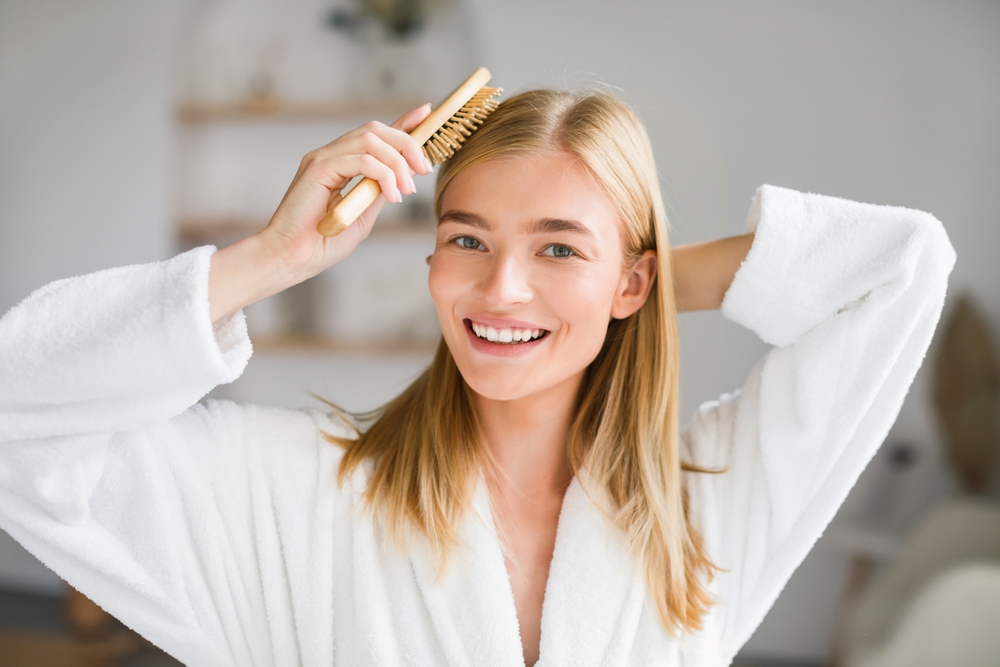
Your scalp prefers a pH between 4.5 and 5.5 - slightly acidic. This acidity keeps the microbiome stable, discourages irritation, and helps maintain the integrity of the barrier. When products push your scalp too alkaline or too acidic, oil production becomes erratic, the barrier weakens, and inflammation becomes more likely.
How Your Skin Barrier Works on Your Scalp
The scalp’s lipid barrier is your main line of defense. When it’s intact, it locks in moisture and keeps irritants out. But everything from harsh shampoos to frequent color treatments to stress can disrupt this barrier—and often disrupt pH at the same time. Once that balance shifts, the scalp can become reactive, leading to flakes, oiliness, or discomfort.
What Stylists Look For in Seconds
During a wash or trim, a stylist quickly clocks some key signs.
- Oil distribution at the roots
- Redness or sensitivity
- Flaking (dry vs. oily)
- Follicle buildup
- Skin texture and hydration levels
- Whether the scalp looks like its pH may be off (dryness + oiliness together is a common clue)
These clues help them understand exactly what your scalp is trying to say, and why your hair might be behaving the way it is.
When all these elements - oil, hydration, microbiome, and pH - are stable, your scalp supports healthier, shinier, more manageable hair. When even one is off, the imbalance shows up fast.
How Scalp Imbalance Shows Up in Your Everyday Hair
Scalp issues rarely announce themselves loudly at first. Instead, they sneak into your routine disguised as ordinary hair frustrations, things you chalk up to weather, hormones, product mishaps, or just a “bad hair month.” Stylists know that these small signs often point to one thing: imbalance at the root level.
The Sneaky Signs You Might Miss
If you think you are dealing with scalp imbalance, you might notice these things.
- Roots that feel greasy sooner than usual
- Flakes that appear after washing
- Itchiness or tightness after styling
- Hair that looks dull no matter what you use
- Breakage or brittle ends despite conditioning
- Curls or waves losing definition
- A sudden “flat” feeling at the crown
These are surface clues to deeper disruptions in oil production, hydration, or barrier function.
Why Hair Problems Often Start at the Root
Every strand emerges from a follicle that depends on a stable environment. When the scalp is irritated, dehydrated, congested, or inflamed, the hair that grows from it becomes weaker and more unpredictable. Even the healthiest products can only do so much if the foundation is struggling.
When It’s Not Your Shampoo’s Fault
It’s tempting to blame the newest product in your shower for sudden changes in your hair, but stylists see this all the time. The hair isn’t reacting to the product, it’s reacting to a scalp that’s already stressed. Product swaps can mask symptoms temporarily, but if the root issue isn’t addressed, the problem returns.
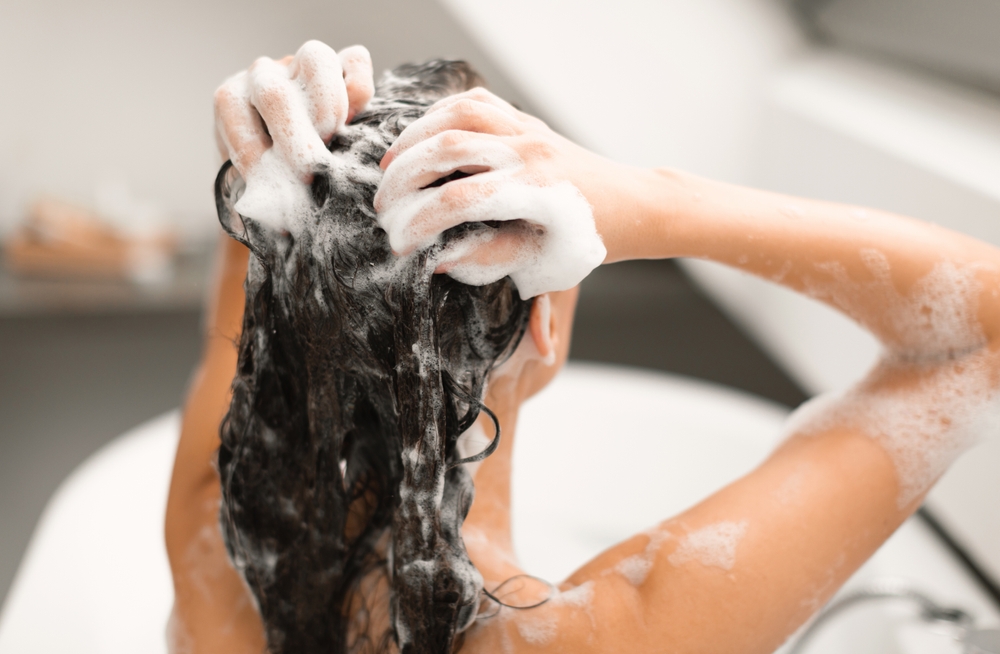
The scalp is quiet, but it’s not subtle. Once you recognize the signs, you can start caring for it the way stylists do - proactively, gently, and with a focus on restoring balance rather than chasing quick fixes.
The Big Myths That Keep Your Scalp Out of Sync
Scalp care is one of those topics where well-meaning advice often sends people in the wrong direction. Stylists see the impact every day: routines built on myths that sound helpful but actually disrupt balance, irritate the scalp, or confuse its natural signals. Clearing up these misconceptions is one of the fastest ways to bring your scalp back to a healthier baseline.
Myth 1: Washing Less Is Always Better
Skipping washes has become a trend, but for many people, it does the opposite of what they want. When oil, sweat, and product sit too long on the scalp, they create buildup that throws the microbiome off and weighs hair down. Stylists don’t recommend overwashing, but they also don’t believe in depriving the scalp of a regular cleanse. Balance is the goal, not abstinence.
Myth 2: Oils Fix Everything
Hair oils get a lot of hype, but most of them condition the hair, not the scalp. Applying heavy oils directly to the roots can actually trap heat, clog follicles, and worsen flakes or irritation. Stylists use oils strategically. They don’t use it as a cure-all, but as one part of a routine that supports the scalp without smothering it.
Myth 3: Your Scalp Needs Harsh Clarifying
Clarifying shampoos have their place, but many people use them far too often. Frequent deep stripping can push the scalp’s pH too alkaline, disrupt the barrier, and trigger more oil production as the skin tries to protect itself. A stylist-approved reset is gentle, not aggressive.
Myth 4: ‘Dry Shampoo’ Counts as Cleaning
Dry shampoo can buy you time, but it doesn’t remove impurities. It sits on the scalp absorbing oil, and eventually becomes buildup itself. Think of it as a styling tool, not a cleansing step.
Once these myths fall away, scalp care becomes much simpler. You don’t need complicated routines; you just need the right habits that support your scalp’s natural balance.
The Real Causes of Scalp Upset
Scalp imbalance rarely comes from just one thing, it’s usually a mix of habits, environment, and biology working together. Stylists learn to read these patterns quickly because the causes often hide in your everyday routine. Understanding what throws your scalp off makes it much easier to get it back on track.
Your Products Aren’t the Only Culprit
It’s easy to blame a shampoo or conditioner when something feels “off,” but most issues start long before a new product enters the picture. Build-up from heavy styling creams, dry shampoo, and hard water minerals can create a film on the scalp that traps oil and throws off the microbiome. Meanwhile, harsh cleansers or frequent color treatments can weaken the barrier, making everything feel more reactive.
Lifestyle and Environment Matter More Than You Think
Humidity, temperature changes, sweat, pollution, gym routines, and even wearing hats often can shift the scalp’s oil production. Seasonal changes also play a role, many people naturally become oilier in summer and drier in winter. If your scalp feels different every few months, this is why.

How Stress and Hormones Disrupt the Scalp
Your scalp is surprisingly responsive to what’s happening inside your body. Stress can tighten the barrier, alter oil levels, and increase inflammation, leading to itchiness or sudden sensitivity. Hormonal shifts, including menstrual cycles, pregnancy, postpartum periods, and perimenopause, can influence oiliness and flaking. Even small changes in your overall health can show up in your scalp long before you see them anywhere else.
The goal isn’t to control every factor. It’s simply to know what your scalp is reacting to - so you can support it rather than overwhelm it.
How Stylists Restore Scalp Balance - Their Go-To Playbook
Stylists don’t rely on guesswork when a client’s scalp seems stressed. They follow a quiet but deliberate process, one built around clearing buildup, supporting the barrier, and resetting the scalp’s natural rhythm without stripping it. The good news? You can borrow most of their logic at home.
Step 1: Reset With the Right Cleanse
A reset doesn’t mean a harsh, squeaky-clean wash. Stylists choose cleansers that lift away buildup without disrupting the scalp’s natural oils or pH. This often means using a gentle clarifier once every week or two, followed by a regular cleanser to maintain balance. The goal is to start with a clean canvas, never a stripped one.
Step 2: Hydrate Without Overloading
Your scalp needs hydration just as much as your hair. Stylists often reach for lightweight, water-based treatments that soothe dryness and replenish moisture without suffocating the follicles. Hydration calms irritation, reduces tightness, and helps the barrier function like it should.
Step 3: Support the Microbiome
A healthy scalp is full of helpful microbes that keep irritation and excess oil in check. When that community gets disrupted, stylists look for calming ingredients like tea tree, zinc, or probiotics, that rebalance things gently. The goal isn’t to kill everything; it’s to restore harmony.
Step 4: Rebuild the Barrier
If the scalp is irritated, flaky, or reactive, stylists focus on repairing the lipid barrier. This might include soothing masks, nourishing treatments, or pH-balanced products that help the scalp retain moisture. Barrier repair is often the turning point for people who feel like “nothing works” for their scalp issues.
Step 5: Keep It Consistent, Not Complicated
Stylists know that consistency beats complexity every time. A balanced scalp doesn’t require a dozen products, it just needs a routine that respects its natural rhythms. That means cleansing regularly, hydrating thoughtfully, protecting the scalp from heat and irritation, and avoiding sudden routine overhauls.
When you follow the same principles stylists use, your scalp gets a chance to recalibrate, and your hair responds quickly. Softness returns. Shine improves. Styles hold better. The foundation finally supports the hair you’ve been trying to achieve.
Finding Your Scalp Type (And What It Needs)
Stylists know that no two scalps behave exactly the same. Yours has its own relationship with oil production, hydration, and sensitivity - and understanding that relationship is the key to choosing the right routine. Think of this section as your quick, stylist-approved guide to finding your scalp’s “personality” so you can support it without overthinking things.
Oily Scalp
If your roots look greasy within a day or two, or if your hair feels flat at the crown, your scalp is likely overproducing oil. This isn’t always a sign of overwashing; it can come from heat, stress, touching your hair often, or using styling products that sit too close to the roots.
Routines that help
- A balanced cleanse every 1–3 days
- Lightweight, pH-friendly shampoos
- Keeping conditioners and oils away from the scalp
- Occasional gentle clarifying to manage buildup
The goal is steady regulation, not elimination. Your scalp shouldn’t feel stripped, just refreshed.
Dry or Flaky Scalp
Dryness often shows up as tightness, small white flakes, or irritation after washing. This scalp type usually has a compromised barrier or not enough natural oil.
How to calm a dry scalp
- Hydrating, soothing shampoos
- Scalp serums with moisture-binding ingredients
- Lukewarm water rather than hot
- Shorter, gentler wash sessions
Flakes here tend to be dry, not oily, so gentle nourishment makes the biggest difference.
Sensitive or Easily Irritated Scalp
If your scalp stings with certain products, reddens easily, or reacts to seasonal changes, sensitivity may be the root issue.
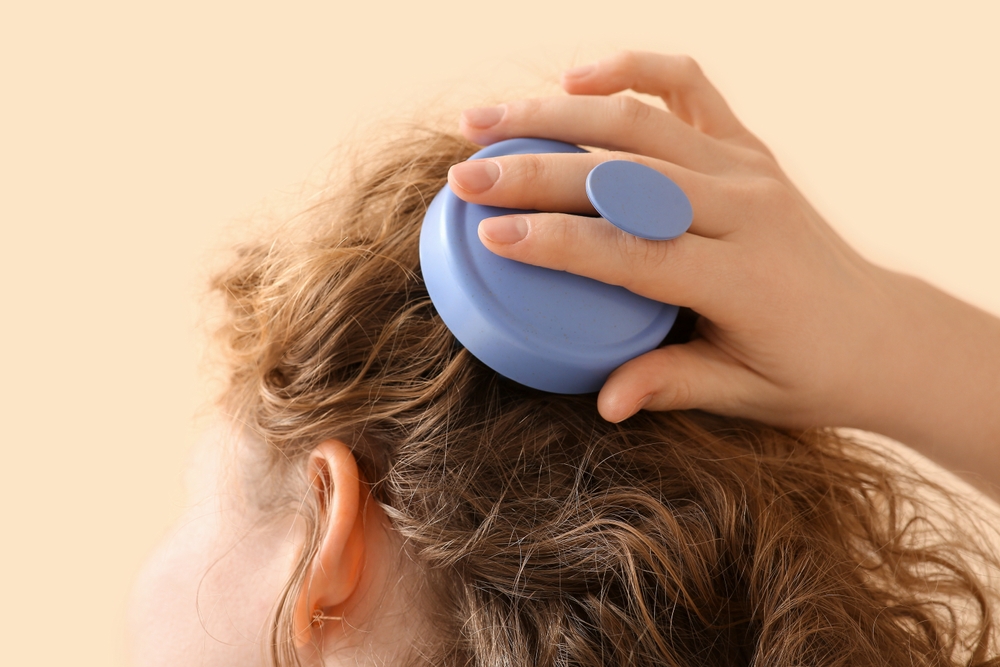
Sensitivity saviors
- Fragrance-free or low-fragrance formulas
- Barrier-supporting treatments
- Avoiding heavy oils and harsh clarifiers
- Slow, minimal product experimentation
Think of this scalp as one that wants calm and consistency more than variety.
Combination or Seasonal Scalp
Many people experience an oily forehead area but dryness toward the back of the head, or they shift between dry winter months and humid summers.
Balancing steps
- A flexible routine
- Alternating between hydrating and balancing shampoos
- Adjusting wash frequency based on weather
Combination scalps thrive when you respond to what it needs that week instead of forcing a rigid routine.
Once you know your scalp type, the path to balance becomes clearer, and far less complicated.
Everyday Habits That Make the Biggest Difference
Once you understand your scalp type, the next step is building habits that keep it balanced without demanding a major overhaul. Stylists often say the scalp responds best to “quiet consistency” - small, thoughtful choices that support its natural rhythm.
Shampoo Smarter, Not Harder
Most people focus on the ends of their hair when washing, but the scalp is where cleansing actually matters. Applying shampoo directly to the scalp (not the mid-lengths) and gently massaging it in helps lift oil, sweat, and product without roughing up the skin. A second cleanse can be helpful if you use a lot of styling products or dry shampoo - just keep both rounds gentle.
Treatments: How Often Is Enough?
Scalp treatments work best as regular maintenance, not last-minute emergencies. Hydrating serums can be used a few times a week; balancing or exfoliating treatments typically work well once every week or two. Think of your scalp like any other part of your skin: consistency builds resilience.
Rinse Temperature, Massage, and Technique
Warm, not hot, water keeps the scalp comfortable and helps prevent barrier disruption. A slow, fingertip-only massage boosts circulation and can help loosen buildup at the roots without irritation. And if you blow-dry, aim the heat toward the hair (not the scalp) to avoid unnecessary stress.
Healthy Hair Starts With Lifestyle Too
Hydration, balanced meals, and stress management all influence oil production and scalp sensitivity. Even simple habits, like sleeping on a clean pillowcase, avoiding tight ponytails, and washing after workouts, support a healthier scalp environment over time.
These everyday choices may seem small, but together they create exactly what your scalp wants: a predictable, supportive, low-stress routine.
When Your Scalp Needs a Professional
Most scalp frustrations can be managed at home, but there are times when expert help makes all the difference. Stylists and dermatologists can spot patterns you might miss and identify whether your symptoms are caused by buildup, a compromised barrier, an imbalance in the microbiome, or something more clinical.
When Symptoms Persist
If you’re noticing ongoing flaking, redness, burning, excessive shedding, or sudden changes in oil production, even after simplifying your routine, it’s a sign to check in with a professional. Persistent issues may point to conditions like seborrheic dermatitis, psoriasis, or eczema, which need tailored care.
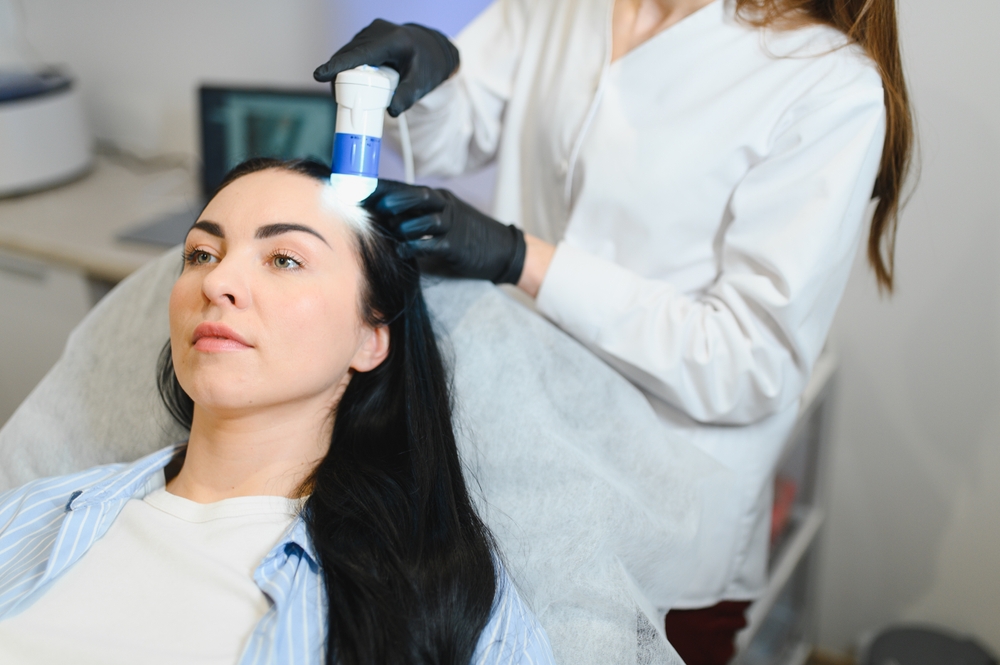
What a Stylist or Dermatologist Can Actually Do
Stylists can reset your scalp with professional treatments, guide you toward products that match your scalp type, and help you avoid habits sending it out of balance. Dermatologists can diagnose medical concerns, offer targeted treatments, and support long-term scalp health.
You don’t have to navigate scalp health alone - expert input can make the process clearer and far less frustrating.
How Scalp Balance Shapes Every Strand
If you take one thing from this guide, let it be this - your scalp is the starting point for every good hair day you’ve ever had and every great hair day you want to have. When it’s balanced (when the oils, pH, barrier, and microbiome are all working together) your hair reflects that harmony effortlessly.
Stylists have understood this for years. They focus on the foundation first, knowing that shine, softness, volume, and even growth all begin at the root. And you don’t need a complicated routine to do the same. A thoughtful cleanse, consistent hydration, and a few supportive habits can completely transform how your hair looks and feels.
The more you listen to your scalp, the easier everything becomes. Your products work better, your hair behaves more predictably, and your routine finally feels like it’s supporting the results you’ve been chasing. Balance isn’t just possible, it’s simpler than you think.