
You’ve probably heard people talk about collagen like it’s the magic thread holding youth together, and in a way, it is. Collagen is the protein that keeps your skin firm, springy, and resilient. It gives structure to everything from your cheeks to your joints. And while it’s often marketed as something you “lose with age,” the truth is more nuanced: your daily habits have just as much influence on collagen as your number of birthday candles.
Everyday choices like how you sleep, what you put on your plate, how often you step outside without sunscreen, quietly shape how strong your collagen network stays over time. Some habits help it thrive. Others slowly chip away at it, long before fine lines show up. The goal isn’t to chase some impossible standard of “ageless” skin; it’s to understand what actually supports the structure beneath it.


And this is where things start to get interesting. Collagen isn’t a single, simple ingredient you “add” to your routine. It’s a dynamic system your body builds, repairs, and remodels constantly. When you know which habits help (or hurt) that process, you gain more control over how your skin ages in a natural, healthy way.
What Collagen Actually Is (& How It Works in Your Skin)
Collagen: Your Skin’s Internal Support System
Collagen isn’t just a beauty buzzword. It’s a structural protein your body builds naturally, working as the framework that keeps your skin firm, smooth, and resilient. When that internal framework is strong, your skin feels lifted and supported. When it weakens, you start to notice fine lines, reduced elasticity, and changes in texture over time.
The Two Types That Matter Most for Skin
Your body makes many forms of collagen, but Type I and Type III are the key players when it comes to skin strength and elasticity. These fibers are produced by fibroblasts - specialized cells working continuously to create new collagen, repair damage, and maintain balance. It’s a dynamic system that shifts based on everything from sun exposure to stress.
Why Collagen Declines Over Time
Part of collagen loss is simply biology. Production naturally slows with age, and the fibers you do have become more fragile. But lifestyle factors accelerate that process. From the environment you’re in, to your diet and daily habits, the formation of collagen can be seriously impacted by your way of life. This is why two people the same age can have noticeably different skin health; their long-term habits tell the story.
The Good News: You Have Influence
You can’t stop collagen from changing as you age, but you can protect its quality and support your body’s natural repair process. Small, consistent choices make a measurable difference over time.
With the basics in place, let’s look at the everyday habits that quietly harm collagen, and the ones that help it thrive.
Habits That Quietly Hurt Collagen (Even If You Think Your Routine is “Healthy”)
Not all collagen damage comes from dramatic mistakes or bad skincare choices. More often, it happens slowly, woven into everyday habits that seem harmless on the surface. Here are the patterns that quietly break down collagen long before you notice changes in the mirror.
Too Much Sun, Not Enough Protection
UV exposure is the biggest external factor that weakens collagen, and it doesn’t take a beach vacation to do it. Daily sunlight, even on your commute, your morning walk, sitting near a window, creates free radicals that break down collagen fibers and slow your body’s ability to repair them.
This doesn’t mean avoiding the sun entirely; it means respecting it. Even a lightweight SPF or tinted mineral sunscreen helps protect the collagen you work so hard to maintain.
Chronic Stress and High Cortisol
Your skin reflects more than your environment - it mirrors your internal state. When stress becomes a constant companion, cortisol levels rise, signaling your fibroblasts to slow collagen production. Over time, this can lead to thinner, less resilient skin.
And while stress isn’t something you can eliminate, building in small, steady habits like breathwork, walks, boundaries around work can help to calm the hormonal noise that interferes with collagen repair.
Sleep Debt: The Collagen Killer No One Talks About
Most collagen building happens at night. When you consistently cut sleep short, you miss out on the restorative stages where your body repairs tissue and increases growth factors.
Short-term tiredness shows up as dullness; long-term sleep loss shows up as structural change. Aiming for consistent, high-quality sleep is one of the simplest yet most overlooked ways to protect your skin.
Sugar and Glycation
High sugar intake triggers a process called glycation, where sugar molecules bind to collagen and make it stiff and brittle. It doesn’t mean giving up sweetness entirely, just being mindful of steady blood sugar and limiting ultra-processed sugars that accelerate this process.

Smoking and Vaping’s Hidden Effects
Smoking is well known to age the skin faster, but many people don’t realize that vaping also generates oxidative stress that weakens collagen. Nicotine itself reduces blood flow, meaning fewer nutrients reach the skin’s surface where repair happens.
Over-Exfoliating or Aggressive Skincare
More exfoliation doesn’t equal better skin. Harsh scrubs, high-strength acids, and frequent peel pads can leave your barrier compromised. When the barrier is irritated or inflamed, collagen has a harder time repairing itself, leading to sensitivity, redness, and, over time, structural thinning.
These habits don’t ruin collagen overnight, but they quietly create a pattern of stress and breakdown. The good news? Small, consistent shifts can strengthen your collagen from the inside out.
Daily Choices That Support Stronger, Healthier Collagen
If collagen loss is influenced by everyday habits, then the flipside is also true: small, consistent choices can strengthen your skin’s foundation for years to come. You don’t need an intense routine or a cabinet full of products - just a few science-backed habits that help your body do what it’s already designed to do.
Balanced Nutrition: The Building Blocks Collagen Needs
Collagen can’t form without the right raw materials. Protein provides the amino acids your body uses to build collagen strands, while vitamin C activates the enzymes that assemble them. Add antioxidants (berries, leafy greens, citrus, tomatoes) to help neutralize the free radicals that weaken collagen.
Skin favorites
- Lean protein (fish, poultry, tofu, legumes)
- Vitamin C–rich foods
- Antioxidant-heavy fruits and vegetables
This isn’t about perfection; it’s about giving your skin the resources it needs to repair itself.
Strength Training’s Surprising Role in Skin Aging
Strength training doesn’t just build muscle, it improves circulation, helps regulate blood sugar, reduces inflammation, and boosts growth factors linked to collagen production. Over time, people who strength train often maintain firmer, more resilient-looking skin.
Even two or three sessions a week can make a visible difference.
Healthy Sleep Habits: Where Collagen Repair Happens
Sleep is when your body ramps up cellular repair and increases growth hormone, both essential for maintaining collagen. Prioritizing deep, consistent rest isn’t glamorous, but it’s one of the most effective long-term strategies for skin health.
Sleep upgrades
- A regular sleep schedule
- Limiting screens before bed
- A dark, cool sleep environment
Your skin will show the difference.
Hydration and Barrier Support
A well-hydrated skin barrier protects collagen from environmental stressors.
Habits that support hydration from both sides
- Internally: steady water intake, hydrating foods
- Externally: moisturizers with ceramides, hyaluronic acid, or glycerin
A strong barrier helps your skin stay resilient and better equipped to preserve collagen.

Smart Sun Protection (Without Fear or Overwhelm)
You don’t need to avoid the sun entirely; you just need to protect yourself from the UVA rays that quietly break down collagen year-round. A lightweight SPF, sun-protective clothing, or simply seeking shade during peak hours can make a major difference over a lifetime.
Sun protection isn’t a restriction, it’s a long-term investment in your skin’s structure.
Stress-Management Routines That Actually Make a Difference
Stress is unavoidable. But chronic, unmanaged stress disrupts the hormones that support collagen repair.
Daily grounding habits
- A short meditation
- A five-minute breathing exercise
- A walk without your phone
- A calming morning or evening ritual
Reducing cortisol, even a little, helps collagen stay in a healthier, more stable state.
These habits are approachable, flexible, and designed to fit into real life. When practiced consistently, they create the foundation for stronger, more resilient skin at any age.
The Skincare Ingredients That Actually Help Collagen (& Which Ones Are Mostly Hype)
With endless “collagen-boosting” products on the market, it’s easy to feel overwhelmed. The truth is that only a handful of topical ingredients have solid research behind them. Others support overall skin health, even if they don’t directly build collagen. Here’s what really matters when you’re choosing products.
Retinoids: The Gold Standard for Collagen Support
Retinoids remain the most proven topical ingredient for stimulating collagen production. They speed up cell turnover, encourage fibroblasts to produce new collagen, and help repair early signs of damage.
Options range from gentle retinyl esters to powerful prescription tretinoin. Start slow, moisturize well, and be consistent - slow and steady always wins with retinoids.
Peptides: Small but Mighty (When Formulated Well)
Peptides are short chains of amino acids that can signal your skin to support collagen repair. Some formulas help strengthen the skin barrier; others encourage firmness and elasticity. Results vary widely depending on formulation, but well-designed peptide serums or moisturizers can be a helpful addition to a routine.
Vitamin C: Essential for Collagen Formation
Your skin needs vitamin C internally and externally to build collagen effectively.
Powers of vitamin C
- Supports collagen synthesis
- Helps protect existing collagen from UV damage
- Brightens dullness
Look for stable forms like L-ascorbic acid (in lower percentages if you’re sensitive) or derivatives such as sodium ascorbyl phosphate.
AHAs and BHAs: Beneficial - But In Moderation
Exfoliating acids like glycolic acid and lactic acid can help smooth texture and encourage cell turnover, which indirectly supports collagen by reducing surface buildup. But more is not better. Over-exfoliating leads to irritation, barrier damage, and the opposite of what you want.
Use acids strategically, once or twice a week for most people is plenty.
Ingredients That Don’t Directly Affect Collagen (But Still Matter)
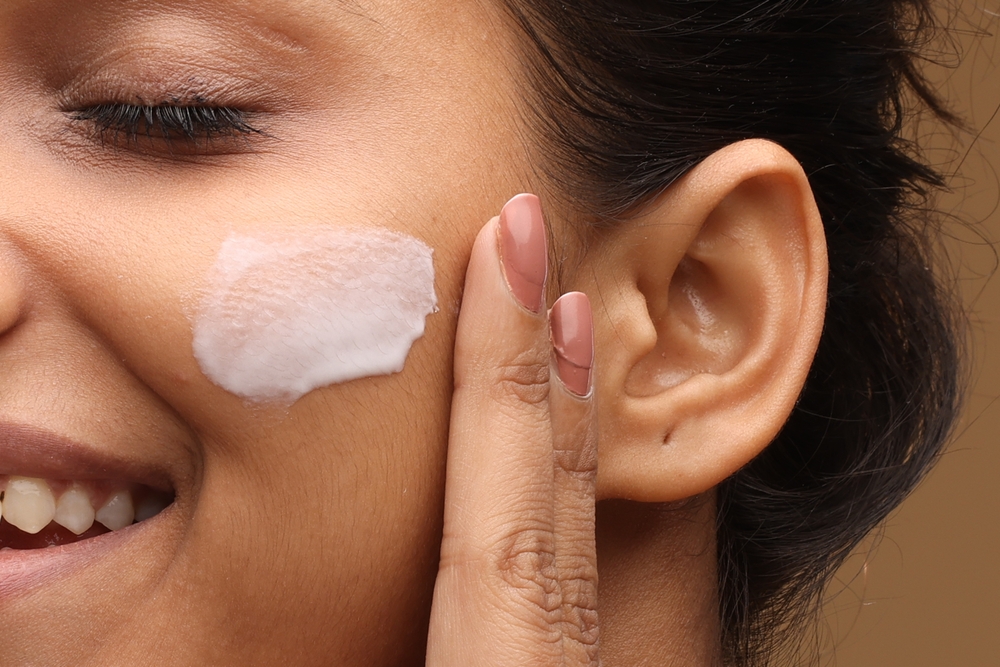
Some products don’t increase collagen production but help create the ideal environment for collagen to stay intact.
Supporting products
- Ceramides (barrier support)
- Niacinamide (calms inflammation and supports elasticity)
- Hyaluronic acid (hydration, plumpness)
Think of these as your maintenance crew, supporting the foundation so your collagen has room to thrive.
Understanding which ingredients work, and which ones just sound impressive, helps you invest in skincare that actually supports your long-term skin strength.
Supplements: Do They Work or Just Sound Good
Collagen supplements are everywhere, promising firmer skin and fewer wrinkles. But do they actually do anything? The answer is a thoughtful yes, with a few important caveats. Collagen supplements can support skin health, but they’re not magic, and they’re not a replacement for healthy habits.
How Collagen Peptides Really Work
When you take a collagen supplement, you’re not absorbing whole collagen molecules. Instead, your body breaks them down into amino acids and small peptides. These fragments can signal your fibroblasts (the cells that make collagen) to ramp up production.
Collagen peptide wins
- Improve skin hydration and elasticity
- Reduce fine lines over time
- Support a stronger skin barrier
But results are gradual, and consistency matters more than dosage extremes.
Marine vs. Bovine: Is One Better?
Both types are effective; the biggest difference is the source.
- Marine collagen often contains more Type I collagen, which is abundant in skin.
- Bovine collagen provides both Type I and Type III, also beneficial for skin structure.
What matters most is quality, not the animal it came from.
Who Benefits Most from Collagen Supplements?
Supplements tend to be most helpful for certain people.
- Don’t get enough protein
- Have higher sun exposure
- Are noticing early signs of skin thinning or dryness
- Want additional support alongside a solid skincare and nutrition routine
They can be a helpful add-on, not the foundation.
What Supplements Can’t Do
This part is important: supplements can’t replace sunscreen, sleep, or a nutrient-rich diet. They also can’t rebuild collagen that’s been significantly damaged by long-term UV exposure or smoking. Think of them as supportive, not transformative.
How to Choose a Reputable Product
A good collagen supplement should do a few things.
- List hydrolyzed collagen peptides
- Have third-party testing or transparent quality standards
- Avoid unnecessary additives or flavorings
- Offer around 2.5–10 grams per serving
Flavor, format, and brand are secondary - quality always leads.
Collagen supplements can absolutely play a role in healthier, more resilient skin, but they work best when they support an already balanced routine, not when they’re expected to do all the work.
Lifestyle Patterns That Protect Collagen Long Term
Short-term habits matter, but long-term patterns shape the strength and resilience of your collagen far more deeply. These aren’t dramatic overhauls, they’re steady, sustainable choices that support your skin’s structure year after year.
Anti-Inflammatory Eating: A Foundation for Healthy Skin
Chronic inflammation accelerates collagen breakdown, often without obvious symptoms. An anti-inflammatory pattern doesn’t mean a rigid “clean eating” mindset, it means building your meals around foods that calm the body rather than stress it.
Supportive food choices
- Colorful vegetables and fruits
- Omega-3–rich foods like salmon, walnuts, and chia
- Whole grains
- Olive oil and avocado
- Herbs and spices rich in antioxidants
This approach nourishes the skin from the inside and helps stabilize collagen-producing cells.
Keeping Blood Sugar Steady
Spikes in blood sugar increase glycation, a process that causes collagen fibers to stiffen and lose elasticity. It’s not about cutting out carbs, it’s about balancing them.
Pair carbohydrates with protein, fiber, or healthy fats. This simple habit minimizes collagen-damaging sugar spikes and keeps your energy more stable throughout the day.
Sleep Consistency Across the Lifespan
Your skin repairs collagen while you sleep, and that process continues through every stage of adulthood. While your sleep needs may shift over time, consistency is the real key.
A predictable sleep-wake schedule - weekday or weekend - helps regulate growth hormone cycles and makes your nightly repair work more efficient.

Avoiding Chronic Dehydration
Dehydration makes skin look dull, but more importantly, it stresses the barrier, making collagen more vulnerable to environmental damage. Hydrating foods, steady water intake, and moisturizers that lock in moisture are simple daily defenses that add up over time.
Long-Term Sun Habits
The single biggest factor in collagen protection is how you treat the sun over decades. A daily SPF, wide-brim hat, sunglasses, or simply seeking shade during midday hours helps preserve elasticity in ways no product can replicate.
These patterns aren’t restrictive, they’re grounding. When practiced consistently, they create an internal environment where collagen can remain strong, stable, and well-supported for the long haul.
When to Consider Professional Treatments (& How to Pick Safely)
If your routine is solid but you’re noticing deeper lines or early sagging, professional treatments can give your collagen a stronger nudge. Microneedling encourages fresh collagen through controlled micro-injuries. Laser resurfacing and radiofrequency tightening work deeper, targeting firmness and texture. Chemical peels offer a surface-level refresh that supports renewal over time.
The key is choosing a qualified provider and realistic expectations, collagen-building treatments work gradually, not overnight. Used thoughtfully, they can complement your routine and help maintain long-term skin strength without going overboard.
Build a Collagen-Friendly Routine: A Simply Daily Framework
Supporting collagen doesn’t have to be complicated. In fact, the most effective routine is often the one you can stick to - steady, realistic, and rooted in what your skin actually needs. This framework keeps things simple while giving your collagen consistent support from morning to night.
Morning: Protect and Prepare
Your morning routine is all about defending the collagen you already have.
What might a balanced flow look like?
- Gentle cleanse (or simply rinse if your skin is dry)
- Vitamin C serum to support collagen formation and guard against UV damage
- Moisturizer to strengthen the barrier
- Sunscreen—the non-negotiable step that protects collagen from daily UVA exposure
Optional upgrades: a hydrating mist, peptide serum, or antioxidant-rich moisturizer.
Evening: Repair and Rebuild
Nighttime is when your skin regenerates and collagen repair peaks. Your routine should help that process along.
- Thorough cleanse to remove sunscreen and buildup
- Retinoid a few nights per week to encourage collagen renewal
- Nourishing moisturizer to support overnight repair
Optional upgrades: a barrier-supporting cream, niacinamide serum, or a weekly gentle exfoliant (used sparingly).
Weekly or Monthly Add-Ons
You don’t need constant treatments. A few well-chosen extras (like a monthly exfoliating mask or periodic microneedling sessions) can amplify results without overwhelming your skin.
The Goal: Consistency, Not Complexity
A collagen-friendly routine isn’t about perfection. It’s about building habits your skin can rely on. When you focus on protection in the morning and repair at night, your collagen gets steady support that actually lasts.
The Small Choices That Shape Long-Term Strength
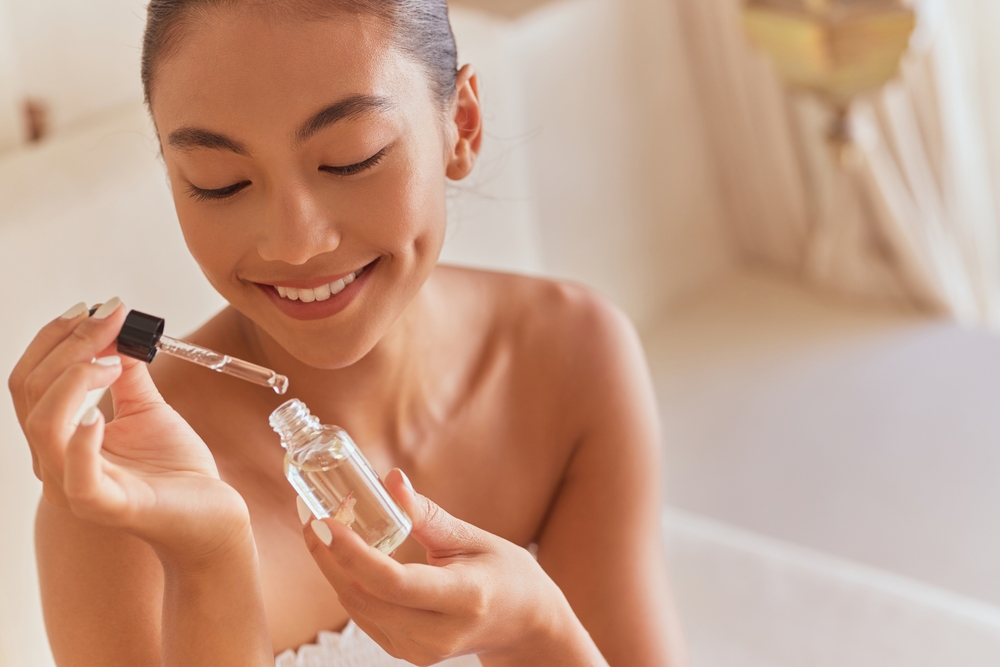
Collagen isn’t something you overhaul in a week. It changes slowly, responding to the quiet patterns of your life - how you sleep, how you eat, how you protect your skin, and how well you manage stress. The good news is that every supportive choice adds up. You don’t need the perfect routine or the trendiest products. You just need consistency and a clear understanding of what truly strengthens your skin over time.
When you build habits that respect your collagen (morning protection, evening repair, balanced nutrition, steady sleep) you’re supporting far more than firmness or elasticity. You’re nurturing the overall health of your skin in a way that feels sustainable and grounded.
So ask yourself, is your routine helping or hurting your collagen? And more importantly, what small shift could you make today that your future skin will thank you for?
Healthy, resilient collagen isn’t luck. It’s a lifestyle you build, one steady choice at a time.