
Have you ever wondered whether those glowing LED face masks you see in bathroom selfies actually deliver results—or if they’re just another beauty trend with a short shelf life? LED light therapy has made its way from dermatology offices to at-home devices that promise smoother, brighter, clearer skin with consistent use. But with price tags that can range from modest to splurge-worthy, a question still lingers.
How LED Light Therapy Works
LED devices use specific wavelengths of light to target different skin concerns. These wavelengths penetrate the skin at varying depths, triggering natural processes that support healthier, more resilient skin over time. Red, blue, and near-infrared light tend to be the most commonly used in at-home masks.
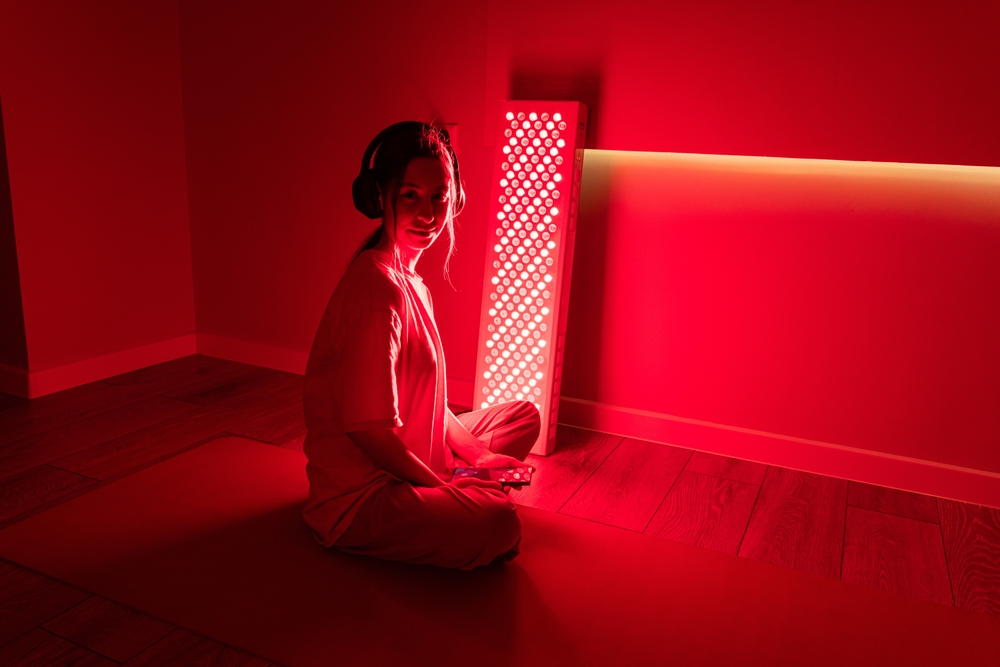
Red light is often associated with supporting collagen, helping improve firmness and reducing the look of fine lines. Blue light is typically used for breakout-prone skin, while near-infrared light can reach deeper layers to help with the overall appearance of tone and texture. While at-home devices don’t deliver the same intensity as professional treatments, they’re designed for safe and consistent use, offering gradual benefits when used regularly.
The Potential Benefits of At-Home LED Masks
For many people, LED masks appeal because they make skincare feel both scientific and simple—a chance to treat the skin while relaxing at home. And while results vary, many users do report changes over time.
Potential Benefits
- Improvements in overall radiance and skin clarity
- A smoother, more even-looking complexion
- Reduced appearance of fine lines
- Support for blemish-prone skin through targeted blue light
- Increased sense of routine and consistency in skincare
It’s important to remember that LED therapy is not a quick-fix option. Results are tied to ongoing, long-term use, which can be a positive for those who enjoy rituals but a challenge for anyone who prefers instant gratification.
When LED Masks Might Be Worth It
LED therapy can be a worthwhile investment if you’re looking for noninvasive ways to support your skin over time. The convenience factor is one of the biggest advantages: instead of booking repeated appointments, you get accessible treatments at home with no downtime.
An at-home LED mask may make sense in a few situations.
- You enjoy building a consistent skincare routine
- You’re looking for a gentle complement to products you already love
- You prefer noninvasive approaches over stronger treatments
- You want a cost-effective alternative to professional LED sessions
- You’re patient with slow and gradual results
If you fit this profile, using a mask three to five times per week could help you maintain a reliable rhythm that supports long-term improvements.
When LED Masks May Not Be the Best Fit
Despite their buzz, LED masks aren’t for everyone. They require time, consistency, and realistic expectations.
You may want to skip the investment in a few other situations.
- You prefer fast or dramatic results
- You know you struggle to keep up with routine-heavy habits
- You’re already using prescription-strength treatments that might conflict
- You have certain skin conditions or concerns that need medical guidance
- The cost outweighs the potential long-term payoff
It’s also worth noting that inexpensive versions can be hit-or-miss. Their lower intensity may mean less noticeable results, so researching power levels and safety certifications becomes important.
Safety and What to Look For
LED therapy is generally well tolerated, but choosing a safe and effective device matters. At-home options should comply with safety standards and include eye protection—either built into the mask or provided separately.
As you’re evaluating masks, consider the following.
- Wavelength specifications (to ensure they target your goals)
- Intensity levels and the ability to adjust them
- Design and comfort, especially if you plan frequent use
- Certifications from recognized safety organizations
- Customer reviews that speak to long-term wear and results
These factors can help you avoid devices that feel flimsy, uncomfortable, or inconsistent.
How LED Fits Into a Thoughtful Skincare Routine
LED therapy is less about replacing your routine and more about enhancing it. Most people pair their sessions with hydrating products, gentle exfoliants, or calming treatments to help support the skin as it adapts. Consistency tends to matter more than complexity.
This type of therapy can play well with a wide range of skincare goals, from aging gracefully to supporting clearer-looking skin. But as with any tool, success comes from realistic expectations and ongoing use.
A Balanced Take on the Investment
At-home LED masks aren’t magic, but they can be meaningful additions for anyone who values a slow-and-steady approach to skin health. They offer a low-effort, calming ritual with potential for noticeable results over time—especially when matched with the right expectations and supporting skincare habits.
The Bright Side of Commitment
LED light therapy masks might not be a universal essential, but for many people, they offer a satisfying blend of science, ritual, and long-term payoff. If you’re curious, patient, and ready for a device that encourages routine, an LED mask could be the subtle but worthwhile upgrade your skincare ritual has been missing.