
Have you ever wondered whether laser treatments or light-based therapies are worth exploring for clearer, smoother, or more radiant skin? With so many options available, it’s natural to question when the right time is to begin and what results you can realistically expect. These treatments have become more approachable than ever, offering a range of benefits for those curious about stepping into the world of cosmetic technology.
Understanding how each approach works—and what it can offer—can help you choose a path that fits your comfort level, goals, and lifestyle. Laser and light therapies may sound similar, but they function in distinct ways and cater to different skin concerns. One isn’t universally better than the other; instead, the best choice depends on what you’re hoping to improve and how aggressive you want your treatment plan to be.
How Laser Therapy Works
Laser therapy uses focused, concentrated beams of light that target precise layers of the skin. Because the wavelengths are highly specific, these treatments can address deeper concerns or more stubborn issues.
Lasers are often used for specific concerns.
- Acne scars
- Fine lines and wrinkles
- Pigmentation issues and sun damage
- Dilated blood vessels
- Texture irregularities
There are two main categories: ablative and non-ablative. Ablative lasers remove thin layers of skin, stimulating significant collagen production but requiring more downtime. Non-ablative lasers heat deeper layers without removing skin, offering subtle improvements with gentler recovery.
People often choose lasers when they want results that feel more dramatic or long-lasting. Depending on the device, you may need only a few sessions to see a noticeable change.
How Light Therapy Works
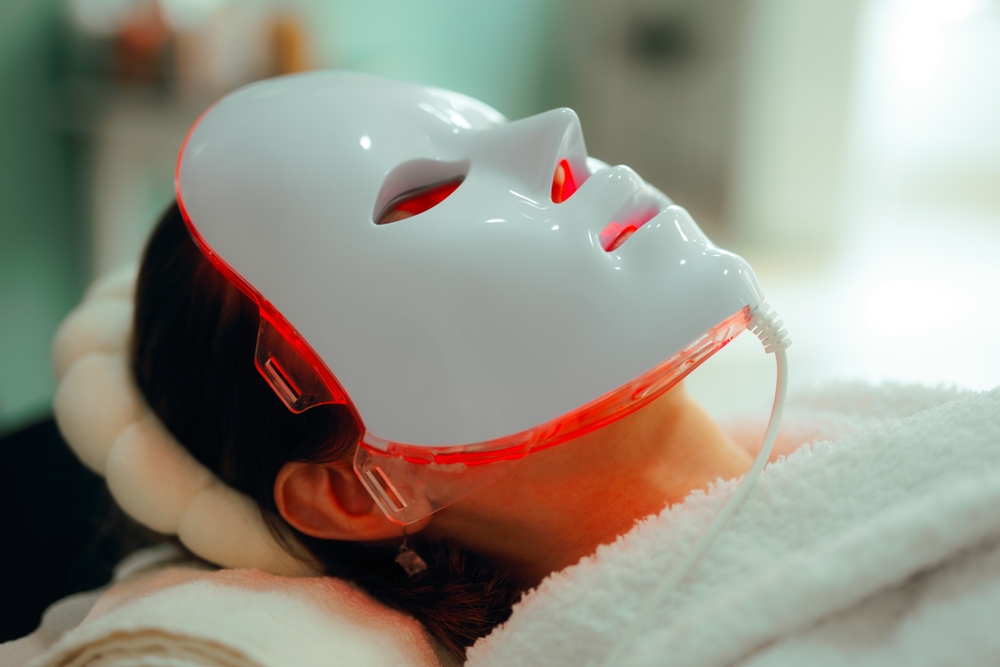
Light therapy generally refers to treatments like LED sessions or broad-spectrum devices such as IPL (intense pulsed light). These therapies work by delivering dispersed wavelengths of light to the skin’s surface, stimulating repair and targeting issues closer to the top layer.
Common Benefits of Light Therapy
- Reduced inflammation
- Brighter and more even skin tone
- Calmer acne flare-ups
- Mild collagen stimulation
- Improved redness and discoloration
Because these treatments are gentler, they are often recommended for beginners or those who prefer low-commitment, low-downtime approaches. LED sessions, for example, can even be done at home with consistent use.
When to Start Laser vs. Light Therapy
Choosing the right time to begin often depends on your goals, your tolerance for downtime, and the rhythm of your daily life. There’s no universal “ideal age,” but there are ideal scenarios.
When would you consider laser therapy?
- You’re dealing with long-standing concerns like acne scarring or etched-in wrinkles.
- You want to reduce pigmentation that hasn’t responded to topical skincare.
- You’re ready to commit to short-term downtime for more impactful results.
- Your provider recommends addressing deeper layers of skin.
When would you consider light therapy?
- You’re looking for preventive care or early intervention.
- You want to brighten your complexion or calm mild acne.
- You’re not ready for intensity—just gradual, consistent improvement.
- You prefer minimal to no downtime and a gentler overall experience.
For many people, starting with light therapy helps build confidence with device-based treatments. You can always transition to laser therapy later if you want stronger or faster results.
What Results to Expect from Laser Therapy
Laser results tend to be more pronounced than those from light-based treatments. However, they take time to fully develop as the skin heals and remodels.
- Smoother texture after a few weeks
- Softening of acne scars or fine lines
- More even tone as pigmentation breaks up
- Firmer, tighter-feeling skin from collagen stimulation
Downtime varies widely. Some treatments cause mild redness that fades quickly, while others involve a week or more of peeling and recovery. Results often continue improving for months as collagen builds.
What Results to Expect from Light Therapy
Light therapy results are typically more subtle and cumulative. Instead of a dramatic shift, you get steady refinement over time.
- A more even, glowing complexion
- Reduced redness or mild discoloration
- Calmer acne activity
- Slightly improved texture and tone
Because these devices don’t reach as deeply as lasers, they’re best for surface-level concerns or maintenance between more intensive procedures. Expect multiple sessions—sometimes weekly at first—to achieve and maintain your results.
How to Decide What’s Right for You
Your ideal treatment depends on how you want your skin to look and feel in the short and long term. It may help to reflect on a few guiding questions.
- Are you seeking noticeable change or gentle refinement?
- Do you prefer low-maintenance treatments or a focused plan with downtime?
- Are you targeting aging concerns, pigmentation, acne, or overall radiance?
- How quickly are you hoping to see a difference?
A professional consultation can help map out your options, but understanding the differences sets you up to make more empowered decisions.
A Wise Approach to Device-Based Skincare
Both laser and light therapies offer exciting possibilities for supporting healthier, more vibrant skin. The choice isn’t about right or wrong—it’s about finding the treatment that aligns with your goals, comfort level, and pace. Whether you’re interested in smoothing texture, brightening tone, or simply exploring what modern skincare can offer, there’s a path that can fit seamlessly into your routine and help you feel more confident in your skin’s potential.